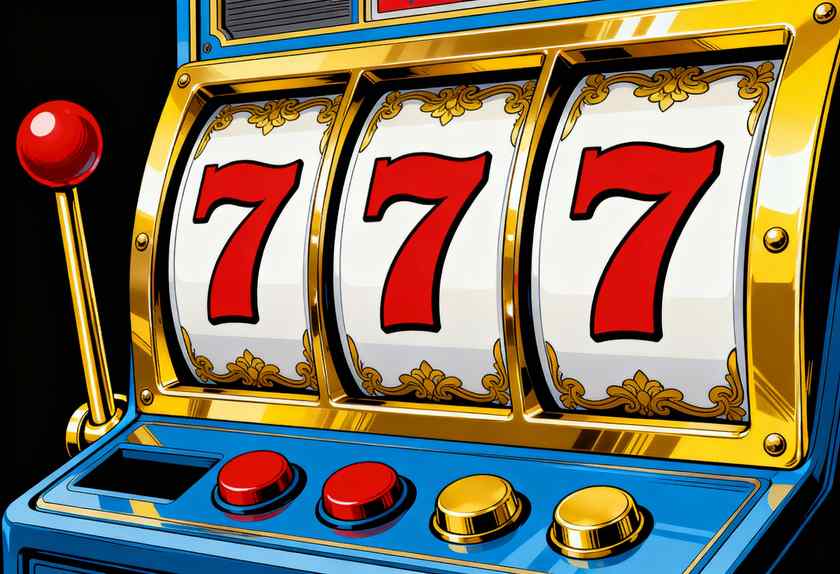
Casino games are designed to be engaging and entertaining, but have you ever wondered what makes them so addictive? The answer lies in the psychology behind casino game design. Game developers use various techniques to keep players hooked, including variable ratio reinforcement, near misses, and cognitive biases. For example, the woo spins feature in some slot machines is designed to provide an unpredictable reward schedule, keeping players engaged and motivated to continue playing.
In Australia, where the casino industry is heavily regulated, game developers must comply with strict guidelines to ensure responsible gaming practices. The Australian government has implemented various measures to prevent problem gambling, including mandatory pre-commitment systems and responsible gaming messaging. Despite these efforts, many players still struggle with addiction, highlighting the need for further research and understanding of the psychology behind casino game design.
The Power of Variable Ratio Reinforcement
Variable ratio reinforcement is a scheduling technique used in casino games to provide rewards at unpredictable intervals. This technique is highly effective in maintaining player engagement, as it creates a sense of anticipation and excitement. The table below illustrates the different types of reinforcement schedules used in casino games:
| Reinforcement Schedule | Definition | Effect on Behavior | Example in Casino Games |
|---|---|---|---|
| Fixed Ratio | Reinforcement after a specific number of responses | Can lead to a pause after reinforcement | Slot machines requiring a set number of spins before a bonus round |
| Fixed Interval | Reinforcement after a specific amount of time | Response rate increases as the interval approaches | Not typically used in casino games |
| Variable Ratio | Reinforcement after an unpredictable number of responses | High and consistent response rate, resistant to extinction | Slot machines with random payouts, poker hands |
| Variable Interval | Reinforcement after an unpredictable amount of time | Steady response rate | Not typically used in casino games |
As seen in the table, variable ratio reinforcement is a key component of many casino games, including slot machines and poker. By providing rewards at unpredictable intervals, game developers can create a sense of excitement and anticipation, keeping players engaged and motivated to continue playing.
The Science of Near Misses
Near misses are another technique used in casino game design to keep players engaged. A near miss occurs when a player comes close to winning, but ultimately loses. This can create a sense of frustration and motivation, encouraging the player to continue playing in an attempt to win. Research has shown that near misses can activate the brain’s reward system, releasing dopamine and creating a sense of pleasure. This can lead to a vicious cycle of playing, as players become increasingly motivated to win and experience the associated pleasure.
Loss Aversion and Its Role
Loss aversion is a cognitive bias that refers to the tendency for people to prefer avoiding losses to acquiring gains. In the context of casino games, loss aversion can lead players to continue playing in an attempt to recoup their losses. This can result in a significant increase in playing time and expenditure, as players become increasingly motivated to avoid losses. Game developers often exploit this bias by offering features such as “double or nothing” or “high-low” betting, which can create a sense of hope and motivation in players.
Visual and Auditory Cues: Creating an Immersive Experience
Casino games often feature a range of visual and auditory cues designed to create an immersive experience. These cues can include flashing lights, sounds effects, and music, all of which can contribute to a sense of excitement and engagement. Research has shown that visual and auditory cues can activate the brain’s reward system, releasing dopamine and creating a sense of pleasure. Game developers often use these cues to create a sense of anticipation and expectation, encouraging players to continue playing.
The Psychology of Color in Casino Design
Color plays a significant role in casino game design, with different colors often used to create different emotional responses. For example, red is often used to create a sense of excitement and energy, while blue is often used to create a sense of calm and relaxation. Game developers often use color to create a sense of atmosphere and mood, with the goal of keeping players engaged and motivated.
Sound Effects: Amplifying Excitement and Anticipation
Sound effects are another important component of casino game design, with different sounds often used to create different emotional responses. For example, the sound of coins falling or a jackpot being won can create a sense of excitement and anticipation. Game developers often use sound effects to create a sense of drama and tension, encouraging players to continue playing.
The Role of Music in Setting the Mood
Music plays a significant role in casino game design, with different types of music often used to create different moods and atmospheres. For example, upbeat music can create a sense of energy and excitement, while slower music can create a sense of calm and relaxation. Game developers often use music to create a sense of immersion and engagement, with the goal of keeping players motivated and interested.
Cognitive Biases Exploited in Casino Games
Casino games often exploit cognitive biases, which are systematic errors in thinking and decision-making. These biases can lead players to make irrational decisions, such as continuing to play despite significant losses. Some common cognitive biases exploited in casino games include the gambler’s fallacy, the illusion of control, and confirmation bias.
The Gambler’s Fallacy: Believing in Streaks
The gambler’s fallacy refers to the tendency for people to believe that a random event is more likely to happen because it has not happened recently. In the context of casino games, this can lead players to believe that a winning streak is more likely to occur because they have not won recently. This can result in a significant increase in playing time and expenditure, as players become increasingly motivated to win.
The Illusion of Control: Thinking You Can Influence the Outcome
The illusion of control refers to the tendency for people to believe that they can influence the outcome of a random event. In the context of casino games, this can lead players to believe that they can control the outcome of a spin or a hand. This can result in a significant increase in playing time and expenditure, as players become increasingly motivated to win.
Confirmation Bias: Seeking Out Evidence to Support Your Beliefs
Confirmation bias refers to the tendency for people to seek out evidence that supports their beliefs, while ignoring evidence that contradicts them. In the context of casino games, this can lead players to believe that they are on a winning streak, even if they are actually losing. This can result in a significant increase in playing time and expenditure, as players become increasingly motivated to win.
The Social Element: Fostering Community and Competition
Casino games often feature social elements, such as multiplayer modes and leaderboards, designed to foster community and competition. These elements can create a sense of camaraderie and motivation, encouraging players to continue playing and competing with others. Research has shown that social interaction can activate the brain’s reward system, releasing dopamine and creating a sense of pleasure.
The Influence of Other Players
The influence of other players can have a significant impact on a player’s behavior and motivation. For example, players may feel pressure to continue playing in order to keep up with their peers or to maintain their reputation. Game developers often use social elements to create a sense of community and competition, encouraging players to continue playing and interacting with others.
Creating a Sense of Belonging
Creating a sense of belonging is an important aspect of casino game design, as it can encourage players to continue playing and interacting with others. Game developers often use social elements, such as chat rooms and forums, to create a sense of community and belonging. This can lead to a significant increase in player retention and motivation, as players become increasingly invested in the game and its community.
Responsible Gaming and Ethical Considerations
Responsible gaming and ethical considerations are essential components of casino game design. Game developers must ensure that their games are fair, transparent, and safe for players. This includes providing clear information about the game’s rules, odds, and payouts, as well as offering tools and resources to help players manage their playing time and expenditure.
Recognizing Problem Gambling
Recognizing problem gambling is an important aspect of responsible gaming and ethical considerations. Game developers must be aware of the signs and symptoms of problem gambling, such as excessive playing time, significant expenditure, and neglect of other activities. By providing tools and resources to help players manage their playing time and expenditure, game developers can help prevent problem gambling and promote responsible gaming practices.
Designing Games with Player Well-being in Mind
Designing games with player well-being in mind is essential for promoting responsible gaming practices and preventing problem gambling. Game developers must consider the potential impact of their games on players, including the potential for addiction and harm. By designing games that are fair, transparent, and safe, game developers can help promote player well-being and responsible gaming practices.
Author
Dr. Anya Sharma is a Ph.D. in Behavioral Psychology, specializing in the psychology of gambling and addiction. Dr. Sharma has consulted with numerous gaming companies on responsible game design and player protection. With over 10 years of experience in the field, Dr. Sharma is a leading expert on the psychology of casino game design and its impact on player behavior.
FAQ
Why are casino games so addictive?
Casino games are designed to be engaging and entertaining, but they can also be highly addictive. The psychology behind casino game design, including variable ratio reinforcement, near misses, and cognitive biases, can create a sense of excitement and anticipation, encouraging players to continue playing.
How do casinos use psychology to keep players engaged?
Casinos use psychology to keep players engaged by exploiting cognitive biases, such as the gambler’s fallacy, the illusion of control, and confirmation bias. They also use visual and auditory cues, such as flashing lights and sound effects, to create a sense of excitement and anticipation.
What are some signs of problem gambling?
Some common signs of problem gambling include excessive playing time, significant expenditure, and neglect of other activities. Players may also experience mood swings, anxiety, and depression, and may become withdrawn and isolated.
What can casinos do to promote responsible gaming?
Casinos can promote responsible gaming by providing clear information about the game’s rules, odds, and payouts, as well as offering tools and resources to help players manage their playing time and expenditure. They can also provide support and resources for players who may be experiencing problem gambling.
Are online casinos more addictive than land-based casinos?
Online casinos can be more addictive than land-based casinos due to their convenience and accessibility. Players can access online casinos from anywhere, at any time, and can play for extended periods without taking breaks. However, both online and land-based casinos can be highly addictive, and players must be aware of the potential risks and take steps to manage their playing time and expenditure.