Cultural insights into the world of gambling across different societies
The Historical Roots of Gambling
Gambling has been a part of human civilization for thousands of years, deeply rooted in various cultures and societies. Its origins can be traced back to ancient civilizations such as China and Egypt, where games of chance were played with rudimentary tools like dice made from bone. In these early societies, gambling was often intertwined with rituals and beliefs, seen as a means to communicate with the divine or as an omen of fortune. As you explore this fascinating topic, you may want to go to site to learn more about the evolution of high-stakes gambling stories.
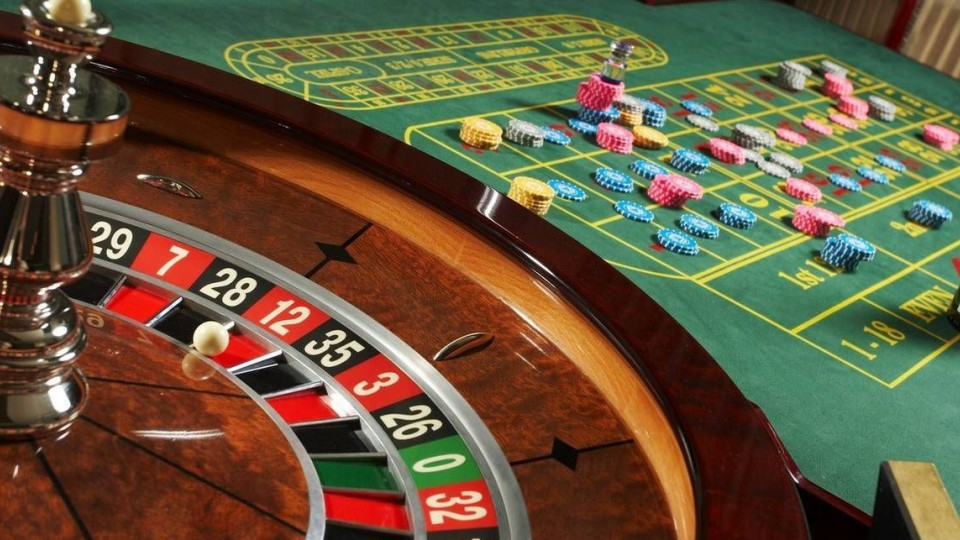
Over time, gambling evolved, with each culture adding its unique twists and rules. In ancient Rome, it became a popular pastime among the elite, while in medieval Europe, gambling became associated with the rise of card games. The cultural significance of gambling varies widely, with some societies viewing it as harmless entertainment, while others regard it as a vice that can lead to social issues.
Cultural Attitudes Toward Gambling
Cultural attitudes towards gambling often reflect broader societal values and norms. In some cultures, like those in Las Vegas, gambling is celebrated as a form of entertainment, attracting tourists from all over the globe. The vibrant atmosphere, combined with the potential for big wins, creates an alluring environment that many embrace as part of the local culture.
Conversely, many societies consider gambling taboo or morally questionable. In countries with strong religious influences, such as Islamic nations where gambling is prohibited, the practice is viewed as sinful. These differing perspectives highlight how cultural and religious beliefs shape societal attitudes toward gambling, influencing laws and regulations surrounding the activity.
The Role of Gambling in Social Interaction
Gambling often serves as a social activity that brings people together. In various societies, it is common for friends and family to gather for game nights or visit casinos together. These social interactions can strengthen relationships and foster a sense of community, providing a shared experience that can be both thrilling and bonding.
However, the social implications of gambling can be complex. While it can create connections, it can also lead to issues such as addiction and financial distress. Communities may have differing responses to these challenges, with some advocating for support systems to help those struggling with gambling-related problems, while others may dismiss the concerns as personal failures.
Influence of Technology on Gambling Culture
The advent of technology has transformed the gambling landscape, introducing online platforms and mobile applications that make gambling more accessible than ever. This shift has altered not only how people gamble but also the social dynamics of the activity. Now, individuals can participate in games from the comfort of their homes, changing the traditional social interactions associated with gambling.
Furthermore, technology has allowed for the globalization of gambling culture, enabling individuals from different backgrounds to connect through online games. This fusion of cultures can lead to new forms of gambling experiences, blending traditional elements with modern innovations, showcasing the evolving nature of gambling across societies.

Exploring Casino Culture
Casinos are often seen as the heart of gambling culture, each reflecting the unique characteristics of their locations. In places like Monte Carlo, casinos are synonymous with luxury and sophistication, while others, such as those in Atlantic City, may embody a more casual and festive atmosphere. The design, rules, and types of games offered can vary widely, showcasing regional preferences and cultural influences.
Additionally, many casinos strive to create an inclusive environment that caters to diverse audiences. This endeavor often involves offering various games and experiences, from high-stakes tables to family-friendly entertainment options. As gambling continues to evolve, casinos play a critical role in shaping the cultural landscape of gambling in their respective societies, drawing both locals and tourists alike.